
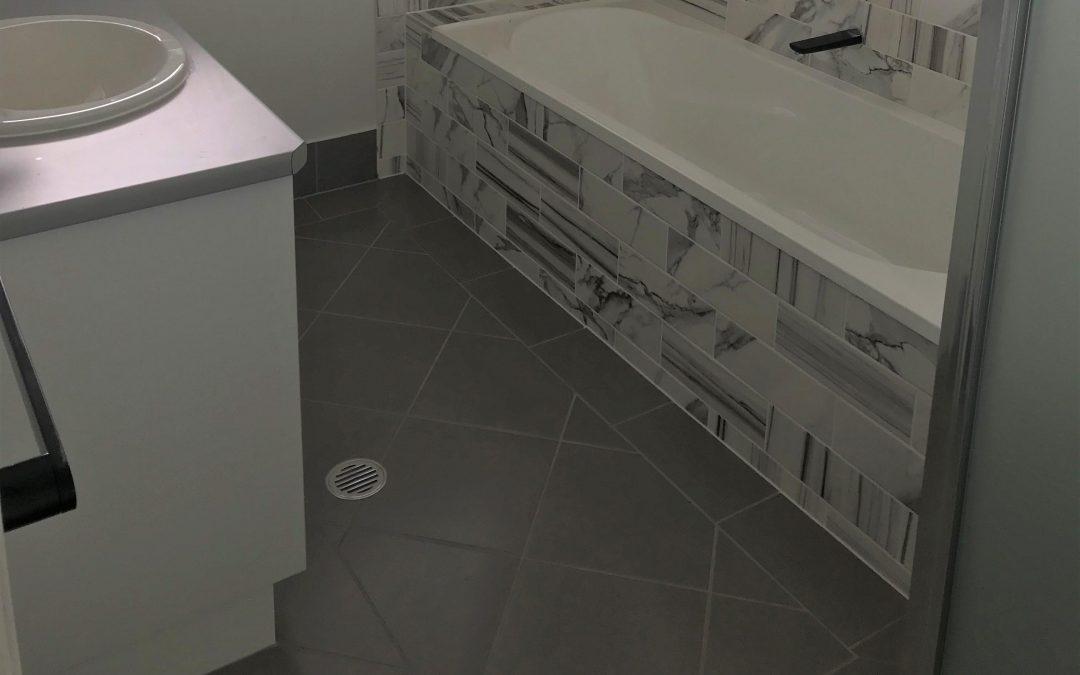
Tile Patterns - Make or Break your Wet-areas
Everybody knows the tile you choose for your wet areas can make or break a room. But did you know the way the tile is layed can also have a similar effect.
Straight Lay Pattern (Horizontal on wall) –
This is the most commonly used tile pattern of all, and the easiest to do. The tiles are simply laid side by side in a straight line, to give an overall even grid pattern. It's a good pattern choice for rooms where you don't want the tiles to distract from other design features. Rectangular tiles look modern and clean in this arrangement.
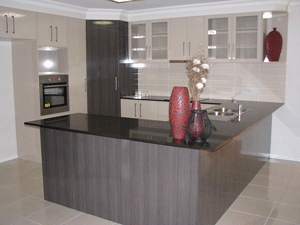
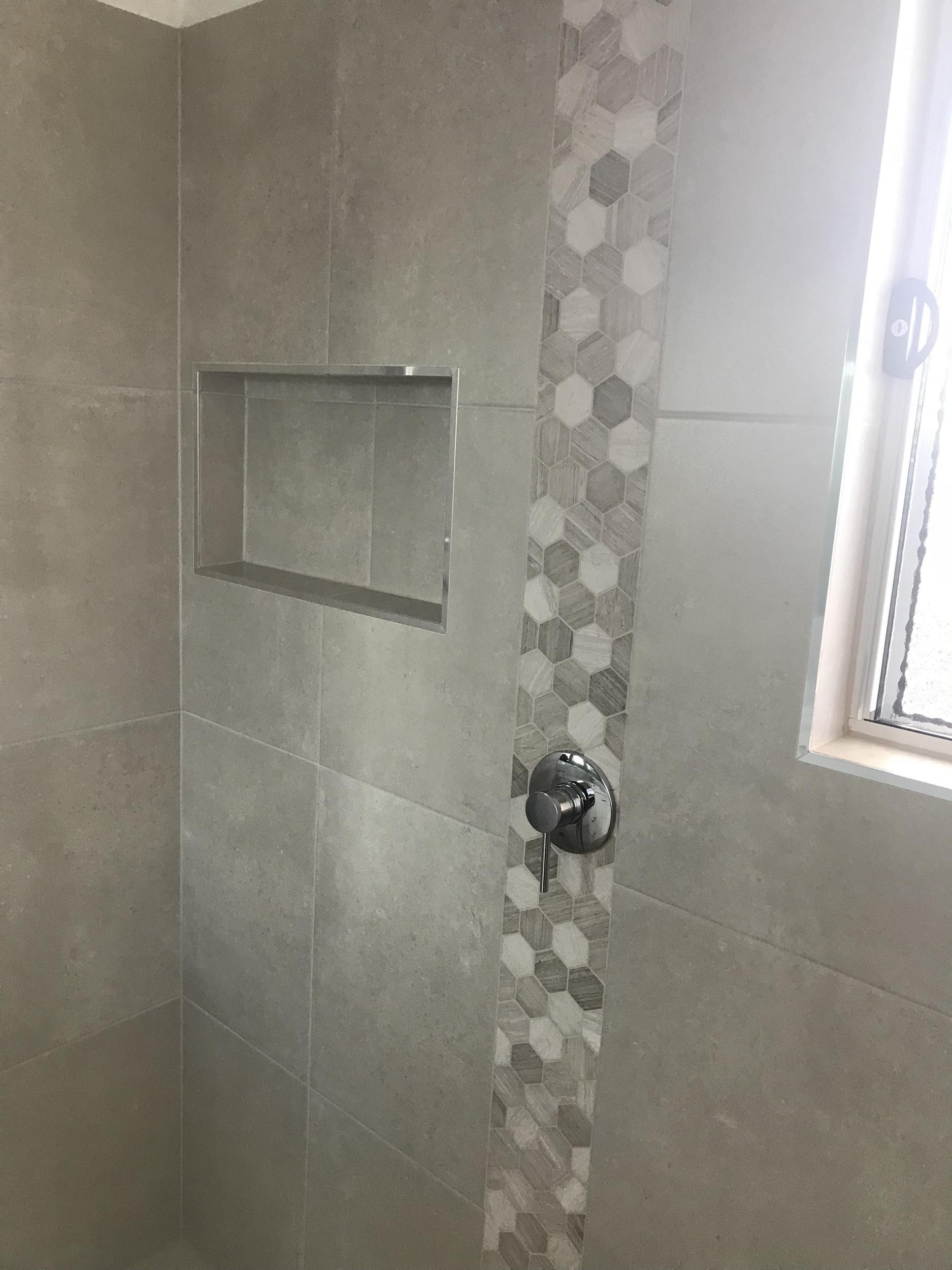
Straight Lay Pattern (Vertical on wall) –
Similar to above, the tiles are stacked vertically, emphasizing the height of your space by making your walls seem taller. Subway tiles come alive in this layout.
Brick Pattern –
Sometimes also refered to as the running bond, this pattern is similar to a brick wall where each rectangular tile aligns with the centre of the one above and below it. This is a good pattern to choose for an uneven wall or an imperfect surface or just for a classic look. This pattern has become extremely popular over the last few years.
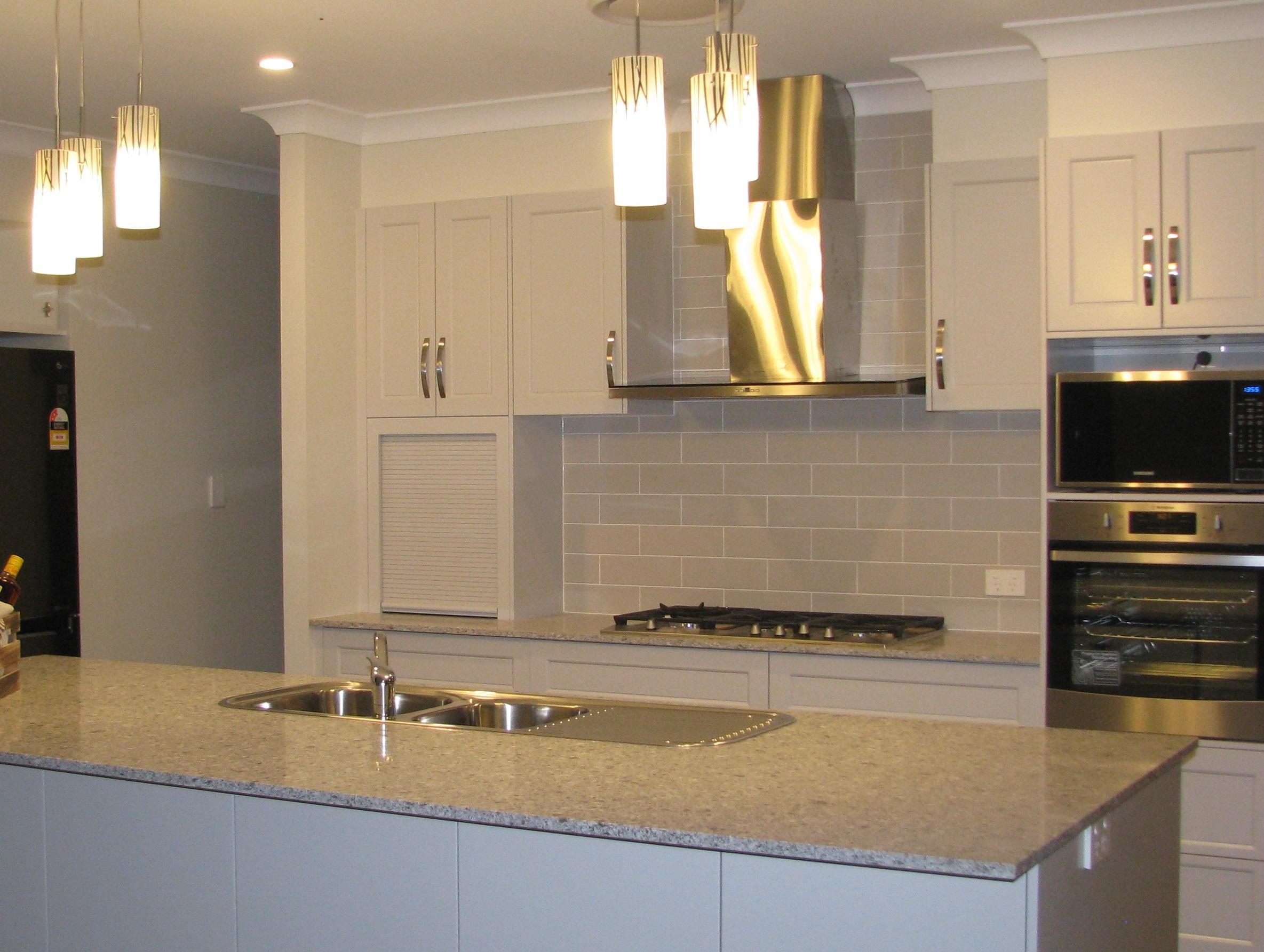
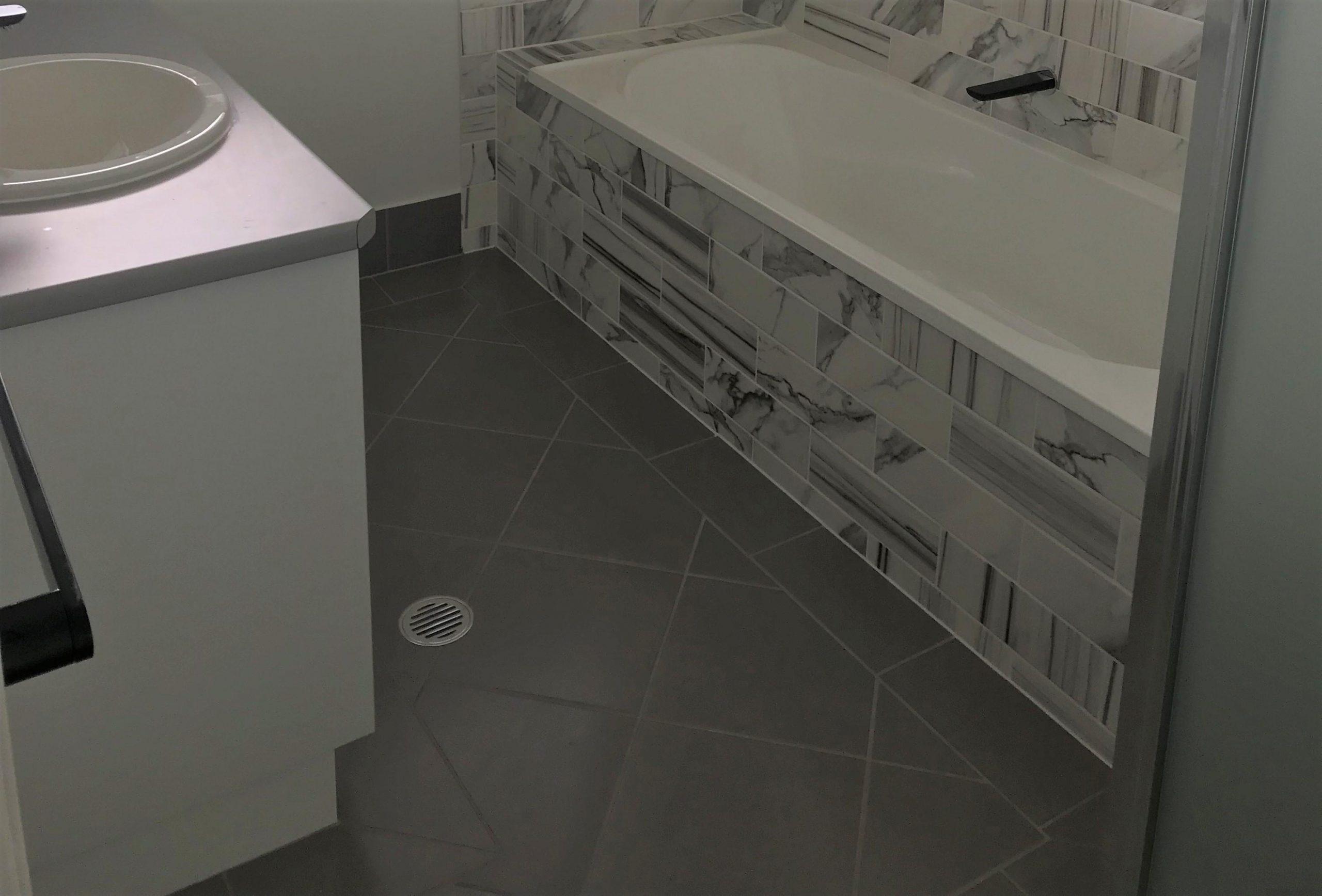
Diagonal Pattern -
This pattern is very similar to the straight lay, except that it's done at a 45-degree angle, turning the square tiles into diamond shapes. In terms of design, it's a good choice for small areas such as the floor of an ensuite bathroom, as it fools the eye into thinking the space is bigger. This style can be used with a border as a feature in a kitchen splash back or for an entire floor to make a small room look bigger.
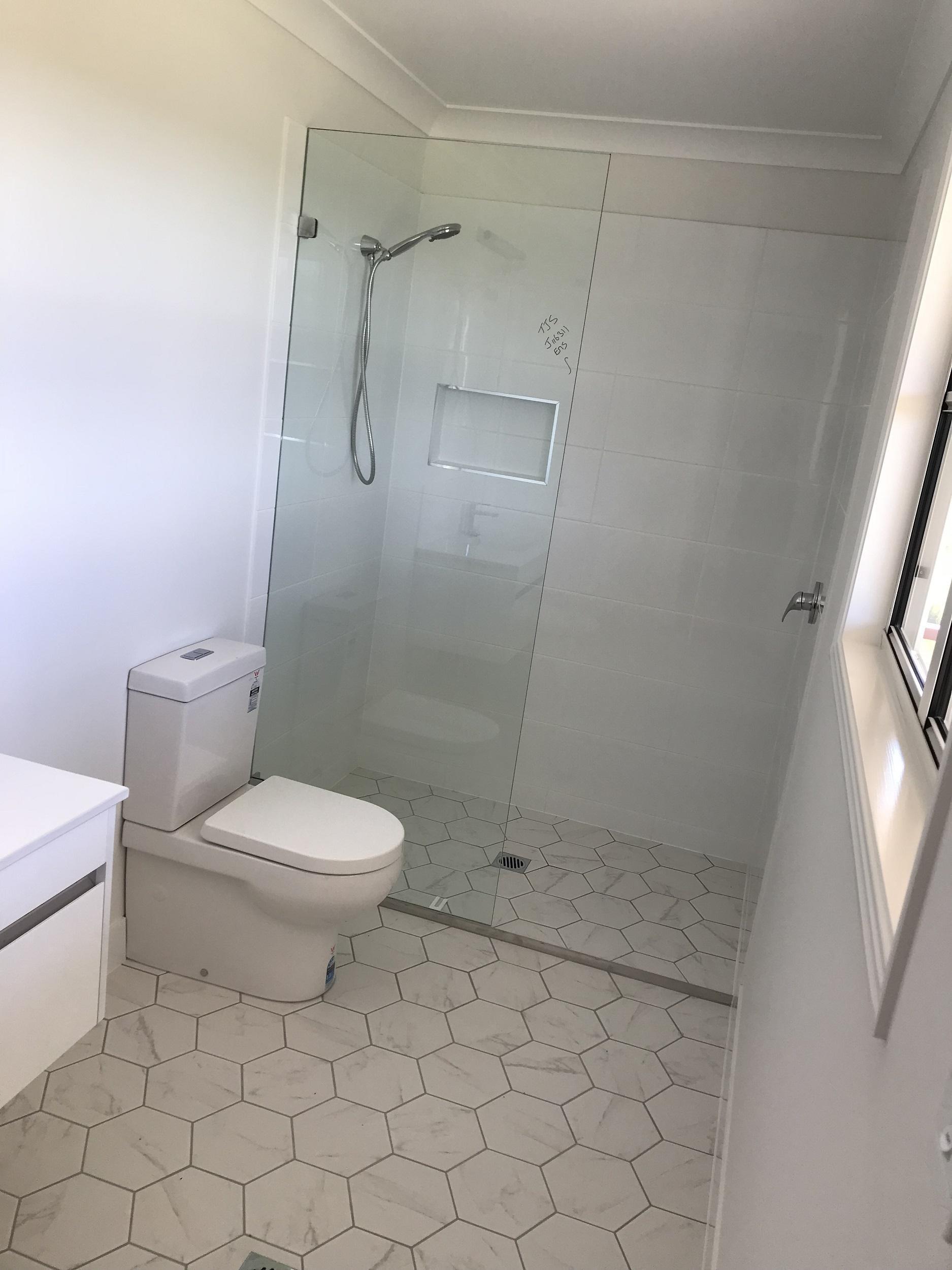
Hexagon pattern -
This beautiful Eastern style will create a wonderful mosaic effect in any space. Patterned Hexagons create stunning feature walls or floors, mixed with plain tiles for the ultimate effect. However, be aware that a tiler may charge extra to create this pattern due to the time constraints it takes to make this perfect.
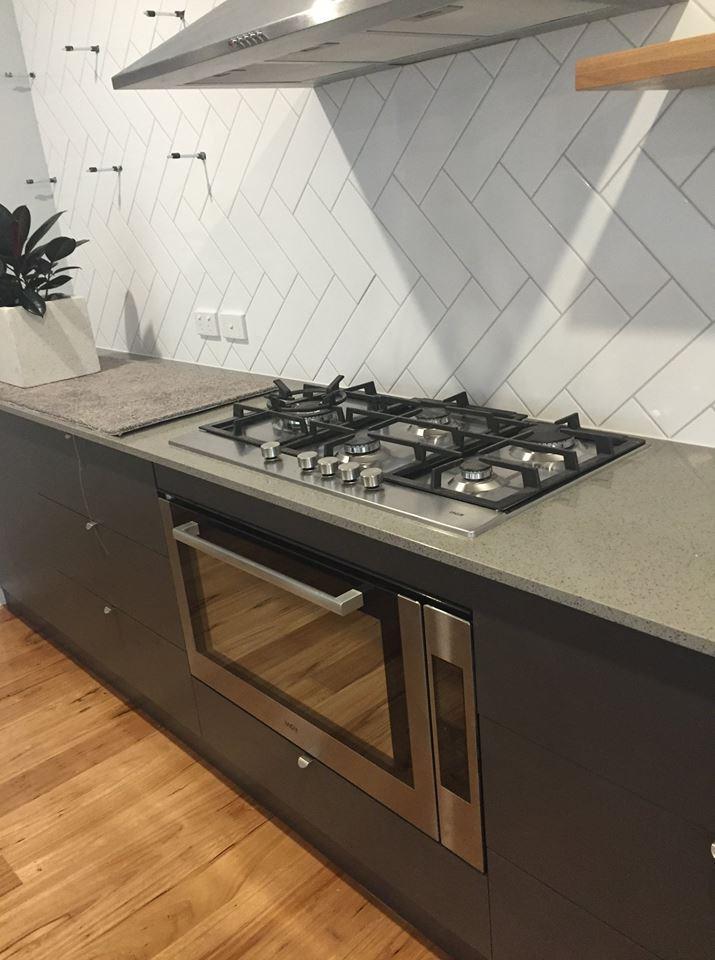
Herringbone Pattern –
This is a tricky tiling pattern, with a column of tiles at a 45-degree angle matched in mirror image by the next column, to form a V shape. It gives an excellent illusion of width and depth and is popular on splashbacks. A contrasting grout colour highlights the unique design.